
|
|
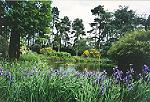 Three hundred acres of botanical delights grace Kew Gardens, which lies on the south bank of the Thames River between Richmond and Kew in the suburbs of south-west London. If you're a stickler for accuracy you might like to note that the proper way to refer to Kew is in the plural, i.e. Kew Gardens, not Kew Garden. This is due to the fact that centuries ago there were two estates here, Kew Estate and Richmond Estate. These estates were combined to [eventually] form the Royal Botanic Gardens.
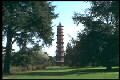 The gardens today present an enjoyable mix of landscaped lawns, formal gardens, and greenhouses. Equally important, Kew functions as a botanical research centre and maintains the largest plant collection in the world. The various greenhouses display plants from across the world in climate controlled environments, while Kew Gardens Gallery houses art and photographs illustrating botanical themes. Queen Charlotte's Cottage (open only in summer) is a pretty summerhouse lying alongside a lake. The Chinese Pagoda is arguably Kew's most recognizable structure.
Also worth noting is Evolution House, a small glass building housing displays on the evolution of plant life on earth. The Grass Garden has over 600 varieties of grasses, and the Wood Museum explains the manufacture of paper and shows examples of inlaid wood cabinetry. Kew remains one of the world's premier public gardens.